Skip to main Skip to sidebar

In New Orleans, Anne Paceo Composes for the Long Haul

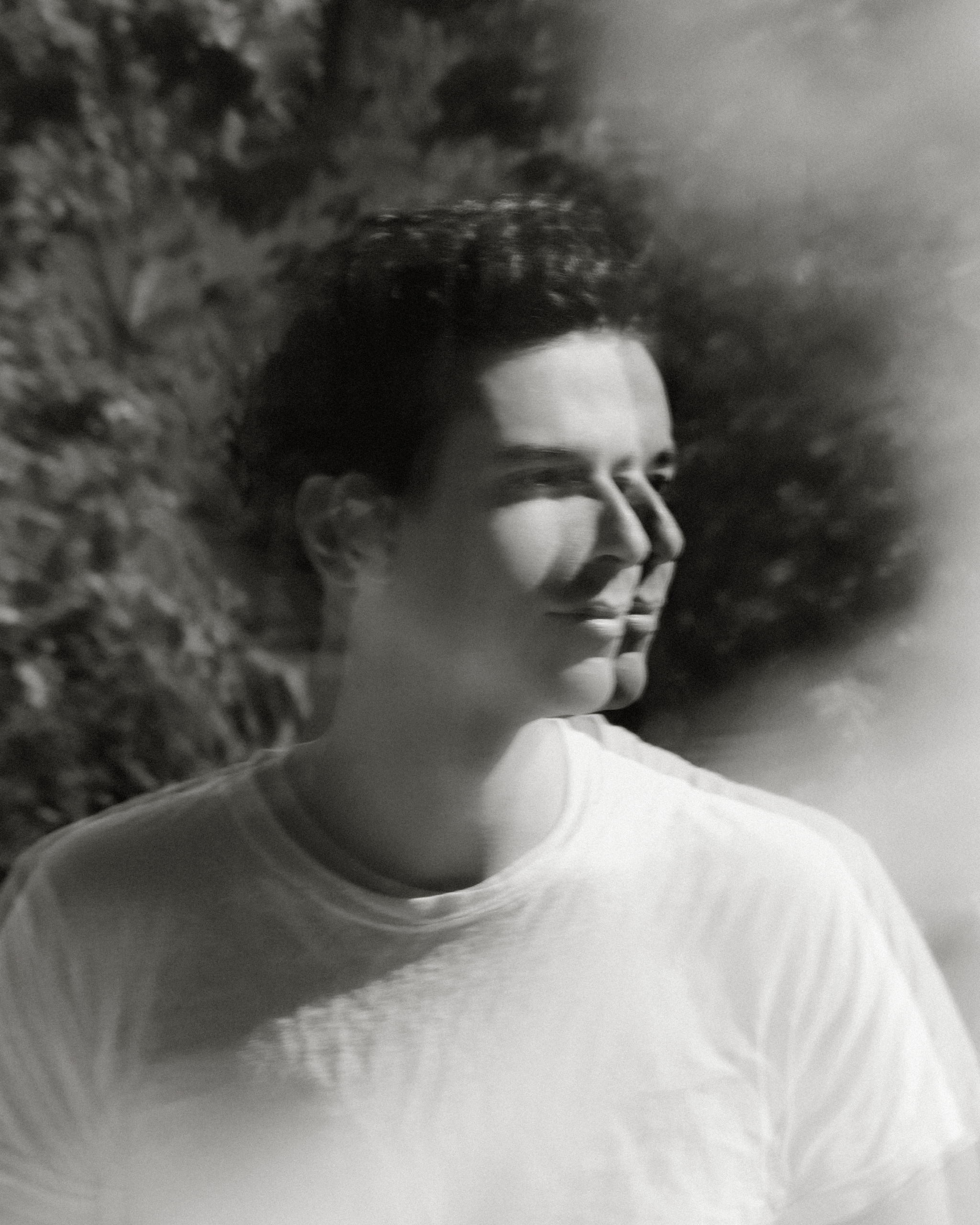
Anne Paceo's showcase at the New Orleans Jazz Museum - April 2026. Photo: Inês Fontenelle

With three Victoires de la musique (the French equivalent of the Grammys), eight albums, and four EPs to her name, drummer and composer Anne Paceo has established herself as one of the leading figures of the current French music scene. In 2024, a two-month residency at Villa Albertine in New Orleans offered her, in her own words, a space to “reinvigorate” herself. Back in New Orleans for the third time thanks to a Villa Albertine production grant, she reflects on how this experience has changed both her life and her work.

Villa Albertine: Anne, you were a Villa Albertine resident in 2024. What did this residency bring to your life as an artist?

Anne Paceo: It was the first time I truly took a break in my life as an artist. Since my twenties, I have always been running from one concert to the next. Villa Albertine gave me two months to really focus on my instrument, listen to a lot of music, and immerse myself in a new place – that is the very premise of the residency. Taking this time allowed me to reconnect with being a learner again, in contact with the City’s musicians. It was a great source of inspiration for me – as both a musician and composer.

This residency also moved me deeply. During the first month, I cried of happiness every day: New Orleans is a city inhabited by music, and music is my greatest passion – I often say that without it, I could not live. In New Orleans, the moment you step outside, there is music. Being surrounded by it 24/7 is incredible and moving.

VA: Why was it important for you to return to New Orleans?

AP: I need to come back here because it reinvigorates me each time with renewed inspiration and the strength to continue. I am itching with excitement every time I know I am coming back. This is my third time here, this time with the support of a Villa Albertine production grant. I came to record four tracks. Initially, it was meant to be an EP with local artists, but now I think I’ll come back and make a full album, inspired by everything I’ve heard and experienced here.

When I arrived for the first time, someone warned me: “Be careful, New Orleans will bite you and you’ll want to come back every year.” I replied: “We’ll see.” And that’s exactly what happened. I came back last year for Mardi Gras, and here I am again – I am already thinking I’ll need to return again to continue the album with New Orleans musicians.

VA: Your residency project focused on Creole cultures and Voodoo. What did a typical day look like for you in New Orleans?

AP: In the morning, I’d ride my bike to the Jazz Museum to practice my instrument. On the way, I’d inevitably come across a brass band playing, so there was always a moment when I’d stop, get off my bike, and start dancing in the street at 9 a.m. 

In the afternoon it varied – I would walk around the city, go to Congo Square, visit museums, attend rehearsals, or just spend time at the home of someone I had met here. I was also lucky to be in New Orleans for Super Sunday, so I was also able to immerse myself in the culture of the Black Masking Indians.

In the evenings, I would listen to two, three, even four concerts sometimes. And I was often invited by musicians to jam with them.

The research on Voodoo took longer to get off the ground. It is something very intimate for people, so you have to be patient. During my residency I met Grete Vidal, a researcher specializing in Voodoo, Bruce Sunpie, who is Big Chief of the Skull and Bones Gang, and Jean-Marcel Saint Jacques, known as “Nganga,” “Medicine Man” of the Golden Feather Hunter Nation. Through them, and through the City’s musicians, I came to understand that Voodoo and Hoodoo are above all everyday practices, rituals rooted in daily life, and that everyone has their own interpretation. Each time I return, I feel like I am going deeper into my original subject.

VA: Was it easy to connect and interact with local musicians? 

AP: To fit into life here, you have to be open and not afraid. I remember sitting behind drum kits made of pieces of trash cans, or on stools four times too low or too high for me… As a musician here, you have to know how to adapt. But the musicians here are very open to others. They are happy to see foreigners arrive with a different vision of music and something different to bring.

What’s valuable about Villa Albertine is that it facilitates connections. As soon as you arrive, you’re introduced to various local figures: musicians, programmers, all the people who keep this ecosystem alive. On tour, a musician generally spends very little time in each city. I have been to Montreal for just 24 hours! You rarely get the opportunity to settle in, let alone connect with local scenes. Thanks to the residency, I am starting to understand the musical ecosystem here.

VA: What aspects of New Orleans culture can be found in the music created during or after your stay?

AP: Broadly speaking, New Orleans is a city where musicians play a lot. They have little time to rehearse, and they are great improvisers. So, you have to compose music that isn’t too complicated to set up, that’s fun to play, and above all leaves room for improvisation. There’s also a very distinctive sound here, a unique way of grooving; so I had to compose tailor-made pieces, considering each person’s strengths.

When I compose music, I need to “absorb” everything I hear – the energy of the city, the emotions I feel. Beforehand, I make many recordings on my phone so that I can remind myself of that very special energy. New Orleans has a rich blend of cultures and a strong sense of spirituality.

This city has something mystical. I think that some of the pieces I wrote for the musicians here carry something of that nature.

VA: What is your best memory from your residency?

AP: Saint Joseph’s Night in 2024. It is the big night for the Black Masking Indians. Night begins to fall, the Indians appear everywhere in the streets, there is singing, percussions… You can feel the air charging, the atmosphere becomes frenzied, there is truly something mystical about it.

There were also many beautiful encounters with extraordinary musicians, some of whom have become friends.

Another very fond memory did not happen directly during my residency but was a result of it: I had met a Black Masking Indian and artist during my two months here, and when I came back to New Orleans on my own in 2025, I spent hours helping him sew his costume at his home. That is where I truly understood the meaning of the word “dedication.” The Black Masking Indians spend hours, days, an entire year making a costume that they will only wear four times!

VA: Could you tell us about the role of the New Orleans Jazz Museum in your residency?

AP: The New Orleans Jazz Museum was a central partner in my residency. They welcomed me every morning during my stay so I could practice with my instrument. They also offered me a showcase in 2024, and I did another one this year.

It’s a partnership that will likely continue! I am going to play at Jazz à Vienne with them as part of an event bringing together former Villa Albertine residents and musicians from New Orleans.

They are serious partners, with whom projects can truly take shape. When I come back to finish my album, I sincerely hope we will be able to organize an event there for its launch. They’re people I’ve come to know and really appreciate. They do remarkable work.

VA: What would you say to an artist hesitating to apply to Villa Albertine?

AP: I choose my words carefully: it was one of the most incredible experiences of my life. I did not expect it. I was afraid of taking a break from my career as a musician in France for two months. In the end, I am very glad I applied.

The application requires many hours of work, but this program is an immense opportunity, unique in the world. In an artist’s life, you have to work very hard to make a living. So being able to press the pause button and have a free mind to simply live and be inspired – that is rare and precious.