

Logan Connors on U.S. Student Mobility to France : the Lafayette Fellowship, UParis, and today’s challenges
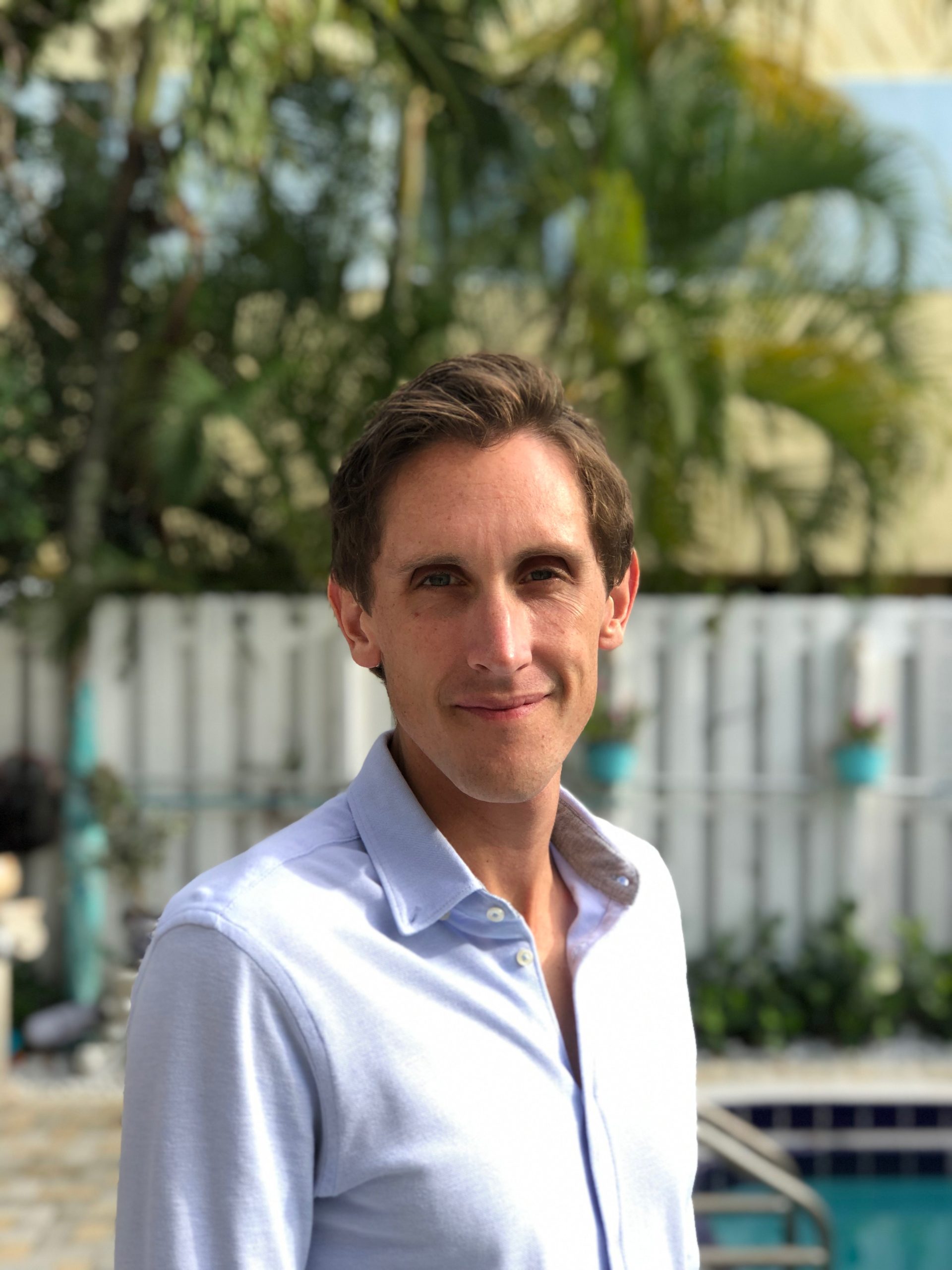
Logan Connors, Professor and Chair of Modern Languages and Literatures at the University of Miami, is a key partner of Villa Albertine in enhancing university cooperation between France and the United States. Recently a jury member for the Lafayette Fellowship, he also directs UParis, the University of Miami’s flagship study abroad program in Paris, playing a central role in promoting student mobility and French language education.
- You recently served on the jury for the Lafayette Fellowship at Villa Albertine, in your opinion, what makes the Lafayette Fellowship program at Villa Albertine a unique opportunity for students and early-career researchers?
The Lafayette Fellowship will enable some of the U.S.’s best and brightest students to study in France. What’s truly impressive about the program is how it is designed to attract talent from all academic disciplines — from French literature to engineering and from political science to medicine. This holistic vision of excellence is what makes France such an attractive destination to our students. But what is more, the students will come to understand France as a hub of intellectual activity through the collaborative experiences and cohort meetings. It’s a wonderful initiative, which I hope the French government will continue to support for years to come.
- As the director of U Paris at the University of Miami, what is your vision for the program and its role in promoting student mobility to France?
UParis is the University of Miami’s semester-long study abroad program for undergraduate students in the French capital. The core value of the program is that any student can participate, no matter their academic discipline or knowledge of French. But all students are required to take French language classes during their time in Paris. The goal: get Miami students to France and get them learning French! This year, we are sending more students (90 students!) to France for a semester-long program than any other university in the country. Our students live, study, and work in Paris from January to May and, as the Faculty Lead this year, I have the pleasure of taking them on cultural and educational excursions to Normandy, Brittany, and Champagne. Seeing American students thrive in France (as I did many years ago when I was a study abroad student Orléans and Lyon!) is an incredibly rewarding part of my job. I think this form of cultural diplomacy is essential right now, and I’m glad the program is so successful.
- In your opinion, what are the main challenges facing French language education in the United States today?
French in the U.S. is facing numerous challenges. Students are dealing with increasing economic uncertainty, which is (quite logically) pushing them into professional fields of study such as medicine and business, rather than the humanities and arts. Sometimes, students have to make hard choices between taking courses in the languages vs. courses that they perceive as more professionalizing and “useful.” This, we believe, is a false choice: our job as French faculty is to show students that language education leads to more jobs as well as more fulfilling jobs. We are also facing challenges because of translation technology and generative artificial intelligence. Some students believe technology will provide an easy fix for any language barriers. But the rise of AI is yet another reason to study languages and cultures. Our students in Modern Languages and Literatures are keenly aware of the intricacies of language. They are trained to be flexible across linguistic registers and in diverse social and cultural settings. Learning a language (and the cultures linked to that language) is the most vital way we can thrive the world of AI. As language professors, we just need to do a better job conveying that message to our students (and their parents)!