
Art in the Age of AI: A Conversation between residents Holly Herndon & Mat Dryhurst, and Hans Ulrich Obrist
Co-Presented with SFMOMA
Listen in as three longtime colleagues, collaborators, and friends continue an ongoing conversation, probing the big ideas on their minds as artists and curators reshape their field in dialogue with technology.
Earlier this year, Villa Albertine San Francisco residents and multidisciplinary artists Holly Herndon and Mat Dryhurst, together with curator and art historian Hans Ulrich Obrist, co-curated Strange Rules at Palazzo Diedo in Venice. The show explored the idea of protocol art — art that doesn’t just use today’s technologies but pulls back the curtain on them. The usually invisible systems that shape how culture gets made and seen — AI, algorithms, apps, and beyond — become the artistic material itself. In protocol art, the artwork stops being a fixed object and becomes something closer to a living process that is built on instructions and open to collaboration, including collaboration with the viewer and with machines.
In this upcoming conversation, the three explore what various technologies make possible, why artists need power over the systems they work within, and where these questions might lead next. Herndon and Dryhurst bring the perspective of artists whose work consistently pushes into new territory, uncovering the potential of where technology can take us all while staying grounded in questions of who holds control and what it means for culture at large. Obrist, drawing on his deep immersion in contemporary art, brings the perspective of a historian and curator, asking what it means to make art not just with new tools, but out of the rules themselves and how this moment will shape what comes next.
More details to come about registration.
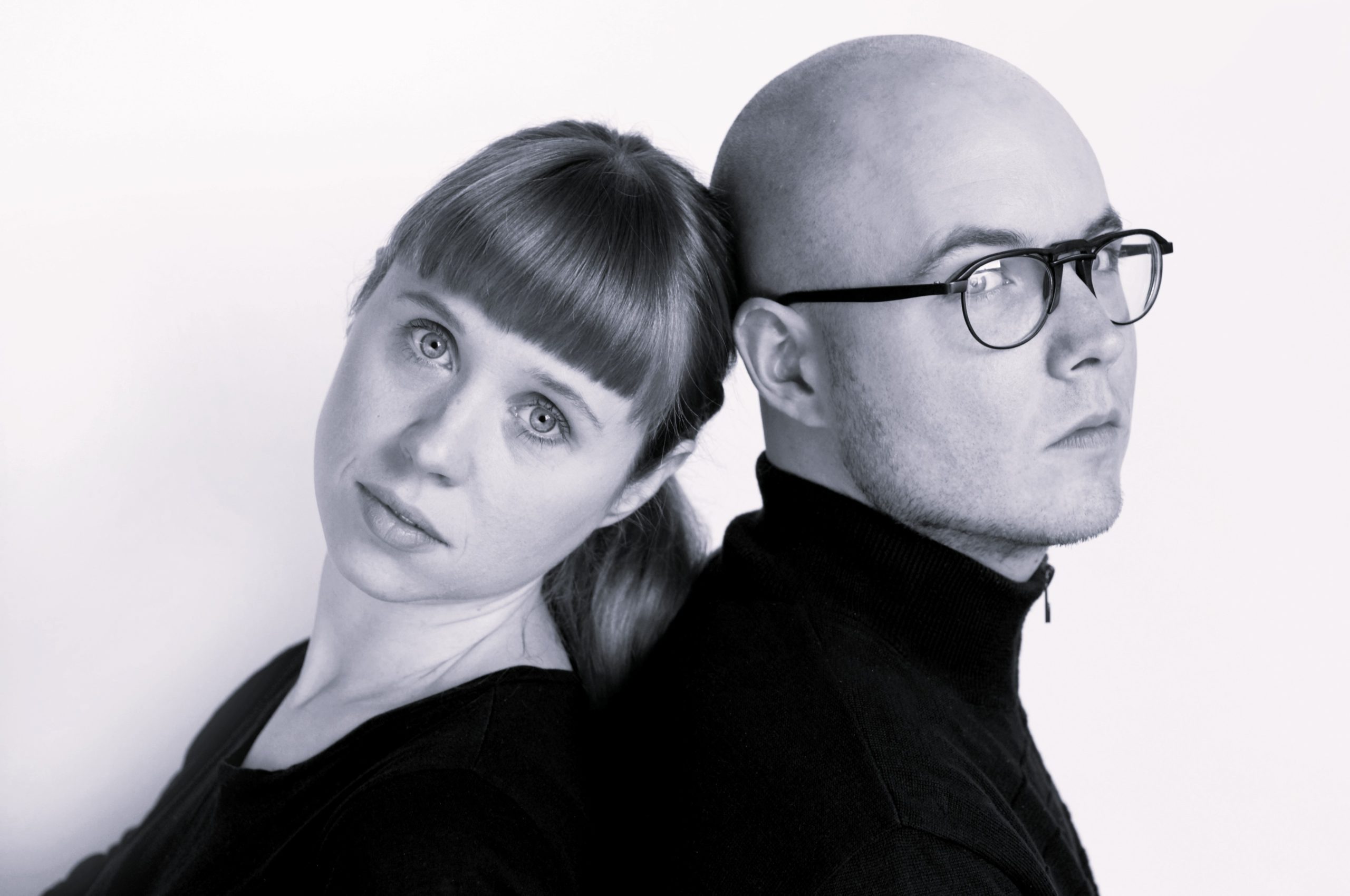
Berlin-based artists Holly Herndon (b. 1980, US) and Mathew Dryhurst (b. 1984, UK) are known for their pioneering work in music, machine learning, and protocol development. Their expansive practice has led to precedent-setting projects where the technical systems that underwrite creative output are artworks unto themselves. Herndon and Dryhurst’s critically acclaimed musical works including Platform (2015) and PROTO (2019), released through 4AD, have toured major venues like Barbican, London and Volksbühne, Berlin. Herndon and Dryhurst most recently exhibited at the 2024 Whitney Biennial, presenting xhairymutantx (2024), an interactive text-to-image model designed to poison Holly’s public image. In 2024 they presented the solo exhibition The Call at Serpentine Gallery in London.
In 2022, the duo co-founded Spawning, an organisation building a consent layer for AI, including tools for artists such as haveibeentrained.com, Kudurru and Source.Plus. They were awarded the 2022 Ars Electronica STARTS prize for digital art, Austria’s first Digital Human Rights Award in 2024, and the Kairos Prize in 2025.
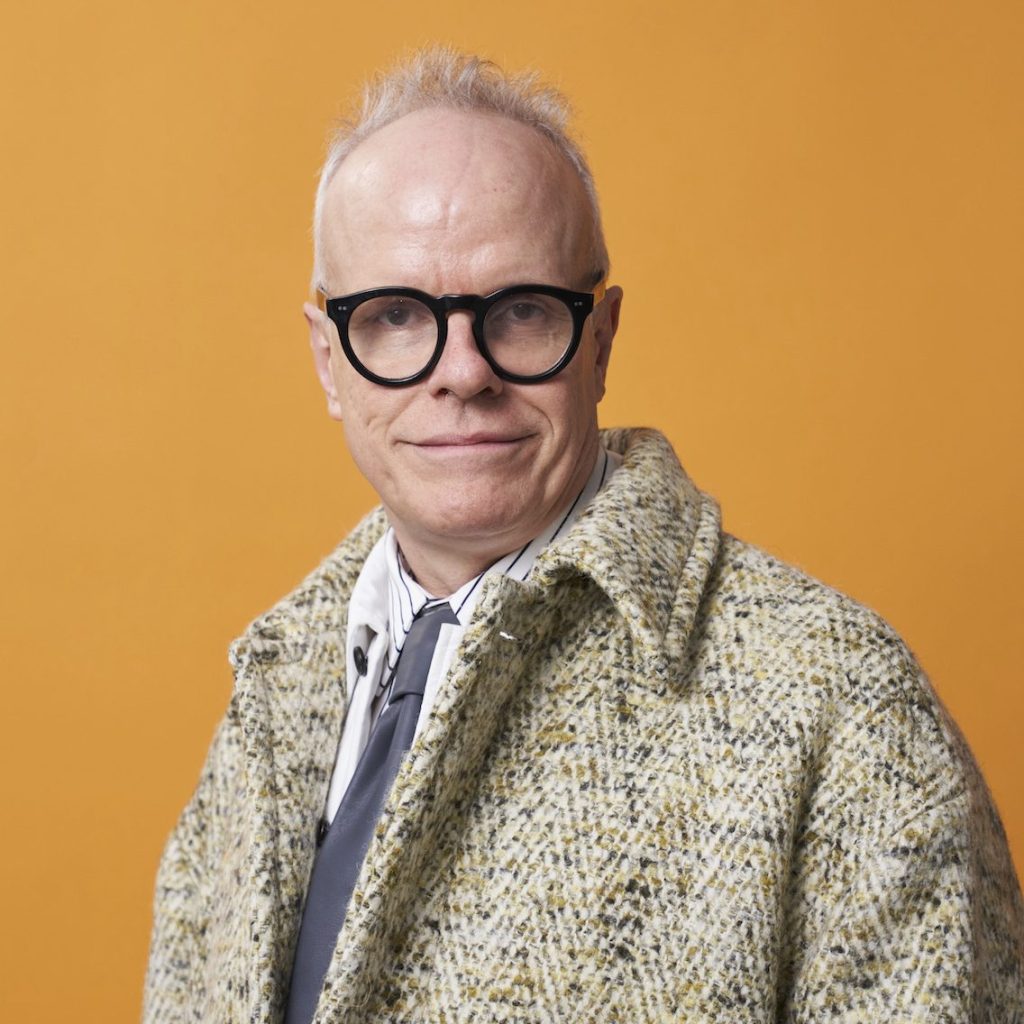
Hans Ulrich Obrist is artistic director of Serpentine in London and senior advisor at LUMA Arles. Since his first exhibition, World Soup (The Kitchen Show), in 1991, he has curated more than 350 shows. Notable examples include the Do It series; Take Me (I’m Yours) in London, Paris, New York, and Milan; and the Swiss Pavilion at the 14th International Architecture Biennale in Venice. He has also co-curated Cities on the Move, Il Tempo del Postino in Manchester and Basel, and the 11–15 Rooms series. Recent exhibitions include Enzo Mari at Triennale Milano and WORLDBUILDING at Centre Pompidou-Metz and Julia Stoschek Collection Düsseldorf. Since 2013, his Handwriting Project has protested the disappearance of handwriting in the digital age on Instagram (@hansulrichobrist). Obrist received the International Folkwang Prize (2015) and the Prix François Morellet (2025); recent books include A Life in Progress (2025).