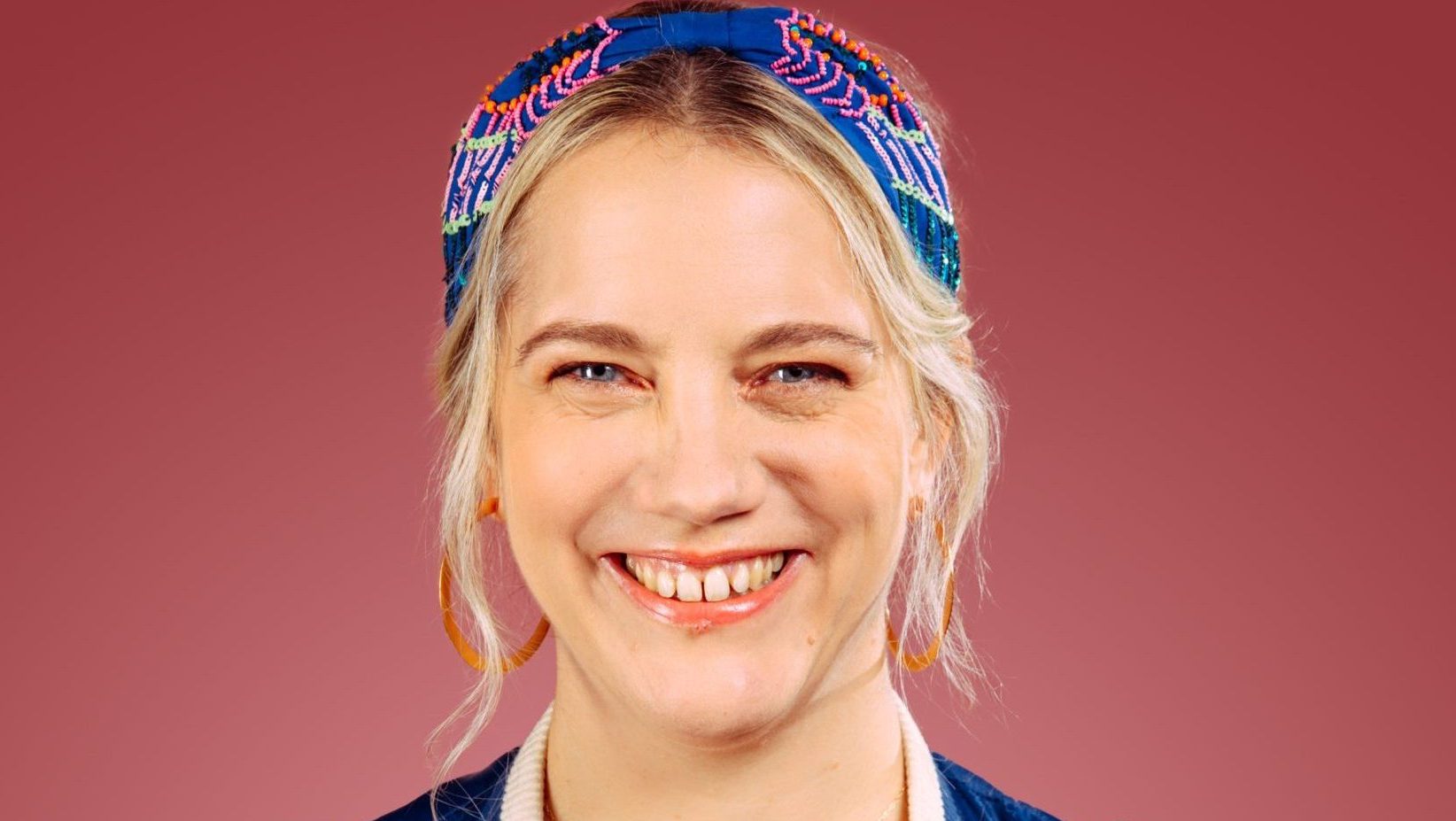
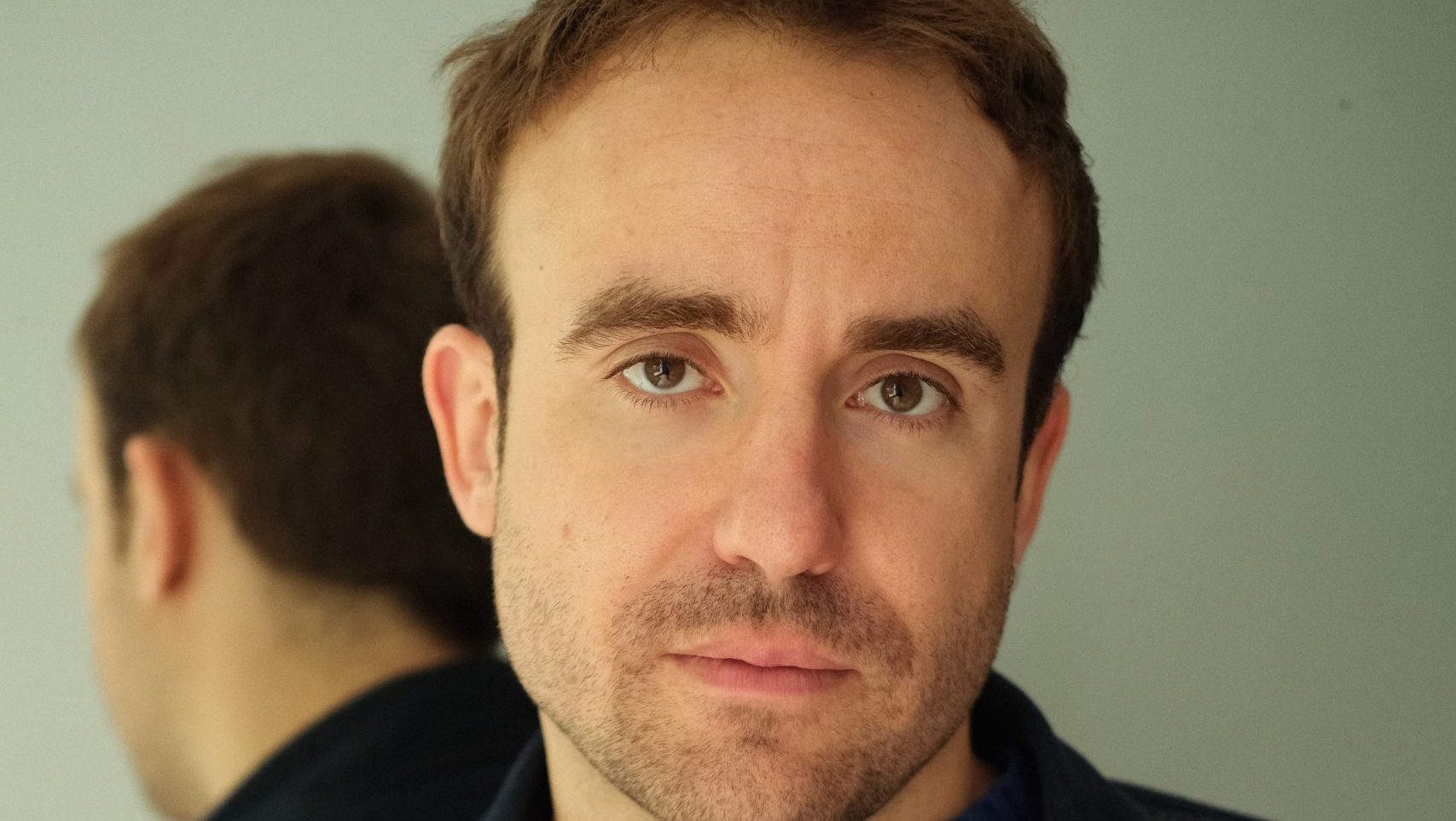
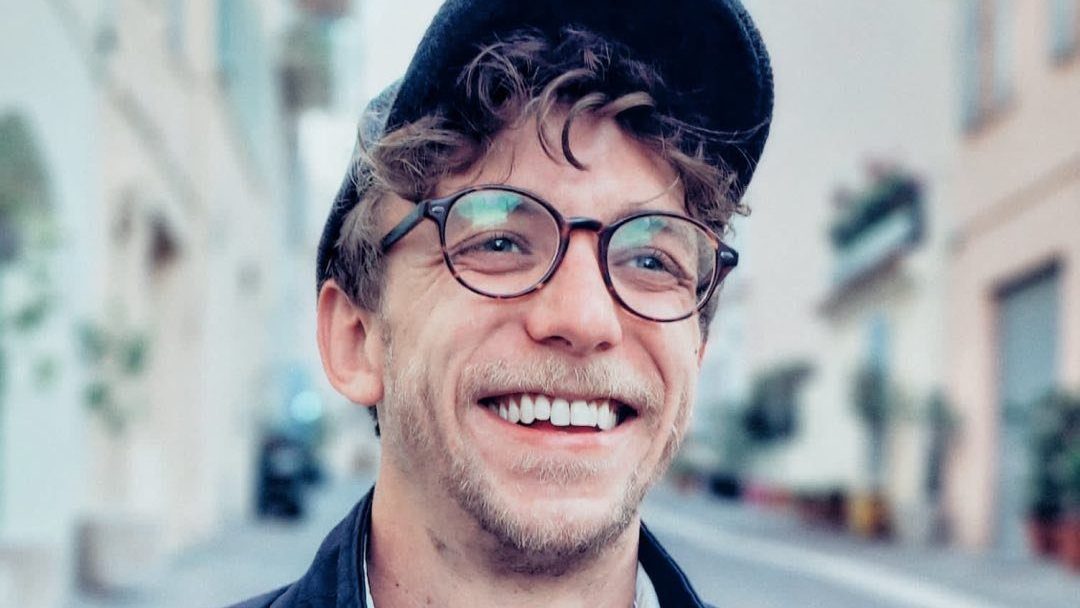
The screenwriters and their winning projects include:
- Clémence Madeleine-Perdrillat, Comets
- Julie-Albertine Simonney, Je ne sais quoi
- Vladimir Haulet, A Taste of Tomorrow
- Storm Sigal Battesti, Goldfish (co-writer Greg Simmons)
- Léa Jeanne Boehringer, Dude
- Margaux Bonhomme, Estives
This professional writing residency will take place in Los Angeles from October 5 to 23, 2026. Throughout the program, participants will receive personalized mentorship in English from leading U.S. professionals, helping them refine and strengthen their projects.
Over three weeks of intense immersion, the 2026 cohort will meet with writers, producers, executives, and other key industry professionals whose feedback and expertise will help elevate their scripts. Through these exchanges, as well as visits to major institutions and companies, participants will gain valuable insight into the Hollywood industry while sharpening the creative and international potential of their projects.
An International Selection Committee
The call for applications, open from February to April 2026, received 21 submissions. The six selected projects were carefully chosen by a jury comprised of renowned professionals from both the French and American TV industries:
- Katie Buckland, Former Executive Director of the Writers Guild Foundation
- Jacobo Aparicio, Director of International at Anonymous Content
- Yang Fei, Literary Manager/Producer at Entertainment 360
- Élodie Namer, French Screenwriter (program laureate in 2025)
- Marc Kressmann, French Screenwriter (program laureate in 2025)
- Nathalie Perus, Head of Atlantique Productions (Mediawan Group)
- Charlotte Ortiz, French Producer
The jury evaluated each project based on several criteria: artistic value, international potential, originality of the concept, as well as the experience of the author.
Among the selected projects are a murder mystery set in the world of teenage basketball, a bittersweet comedy about a French stand-up comedian facing midlife in London, a dramedy exploring modern masculinity in Los Angeles, an investigative thriller examining the tensions between humans and wildlife in the Pyrenees, a western on water following rival fishermen in the English Channel, and finally, a speculative family drama imagining the impact of climate change on a winemaking family in Europe.
The jury praised the overall excellence of the submitted projects. They emphasized that this year, despite the wide range of genres, scales, and worlds explored, many of the stories shared deeply human concerns around identity, family, belonging, survival, and displacement, revealing both the singularity of each writer’s voice and the universal resonance of their storytelling.
Learn more about the screenwriters joining our 2026 cohort below.
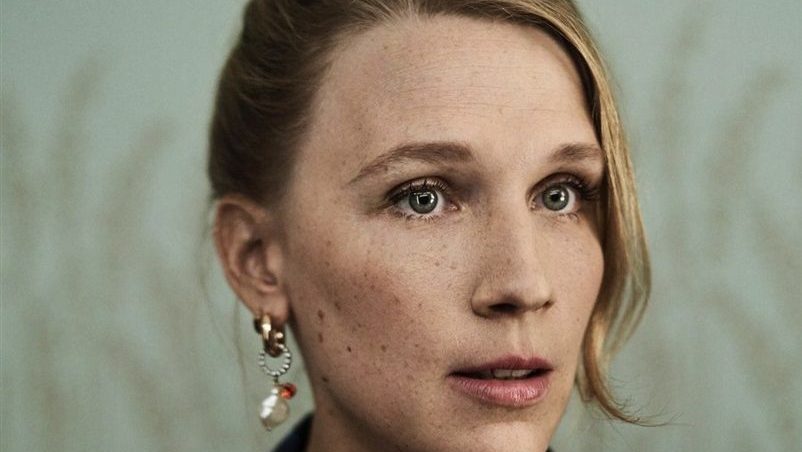
Clémence Madeleine-Perdrillat
See more
After studying Modern Literature, Clémence Madeleine-Perdrillat began her career writing short stories before turning her focus to screenwriting. She directed several short films and worked on the series OVNI(s), Nox and Mixte, before co-creating Nona and Her Daughters with Valérie Donzelli. After that, she led the writing in French of the second season of In Treatment and wrote several episodes for Class Act, which won the 2024 BAFTA for Best International Series, and Drops of God, recipient of the 2024 International Emmy Award for Best Drama Series. In 2023, she created Irresistible for Disney+.
Alongside these projects, she developed My Life in Versailles with Nathaniel H’Limi, a long-term creative project that first took shape as an animated series for young audiences before expanding into a feature film released in 2025 and a series of novels.
Today, Clémence Madeleine-Perdrillat continues to develop projects across film, television, and animation, while serving as co-head of the Series Creation Department at La Fémis. Her next series, The Nefertiti Case, produced for ARTE and HBO France, is scheduled to release in late 2026.
Photo Credit: Jérôme Bonnet
Julie-Albertine Simonney
See more
After studying film in Brooklyn and Paris, and fueled by a lifelong love of Éric Rohmer and Buffy the Vampire Slayer, Julie-Albertine turned to screenwriting. She now writes for television and has worked on series, such as Mixte for Amazon and Made in France for France Télévisions. She also created the series Dear You and served as head writer on the Amazon series Nudes. Alongside her screenwriting career, she performs stand-up comedy, telling jokes into a microphone in front of people drinking beer. She has also begun writing a chick lit novel because, after all, “all is not lost.” She is currently developing several original projects, including an erotic thriller for 13ème Rue and an international television series. At the end of the day, what she loves most is telling stories because, as Alice in Wonderland says, “What is the use of a book without pictures or conversations?”
Photo Credit: Chloé Vollmer-Lo
Vladimir Haulet
See more
Vladimir is a French screenwriter, represented in the UK by Curtis Brown and in France by Lise Arif. He has written on six series — Grandiose, Voltaire High (Mixte), Réunions, Nate Is Late, Boy Girl Dog, and Mash Up — for broadcasters and platforms including Amazon, BBC, Canal+, Netflix, France 2, and TF1. He also was a co-writer for All Shapes of Us (Le Beau rôle), starring Vimala Pons and William Lebghil. His work has notably been recognized by the Audience Award at Canneseries in 2021 and Best French Series at Series Mania in 2026. He is currently creating the screen adaptation of Bernard Werber’s cult novel Empire of the Ants (Les Fourmis) alongside Quentin Reuberecht (Arcane, I Lost My Body) and Nicolas Deveaux. He teaches screenwriting at Sciences Po Paris, La Fémis and La CinéFabrique.
Photo Credit: Lisa Lesourd
Storm Sigal Battesti
Goldfish (co-writer Greg Simmons)
See more
Based in Paris, Storm Sigal Battesti is a French-Swiss-American screenwriter, with nearly as many passports as some people have streaming subscriptions.
A graduate of the Serial Eyes program in Berlin, he has been named one of the emerging screenwriters to watch by Écran Total and Paper to Film.
He wrote several episodes of Carême, a historical series blending espionage, cuisine, and Napoleonic intrigue, directed by Martin Bourboulon for Apple TV+, and also contributed to Hors Saison, a French-Swiss crime series broadcast on France 3 and RTS.
Together with Greg Simmons, he created Goldfish, a “western on the water” set against the backdrop of tensions between scallop fishermen. Presented through Series Mania, the project was awarded CNC COCOI funding.
He is currently developing several series and feature film projects with European producers, including a first fantasy feature rooted in French folklore.
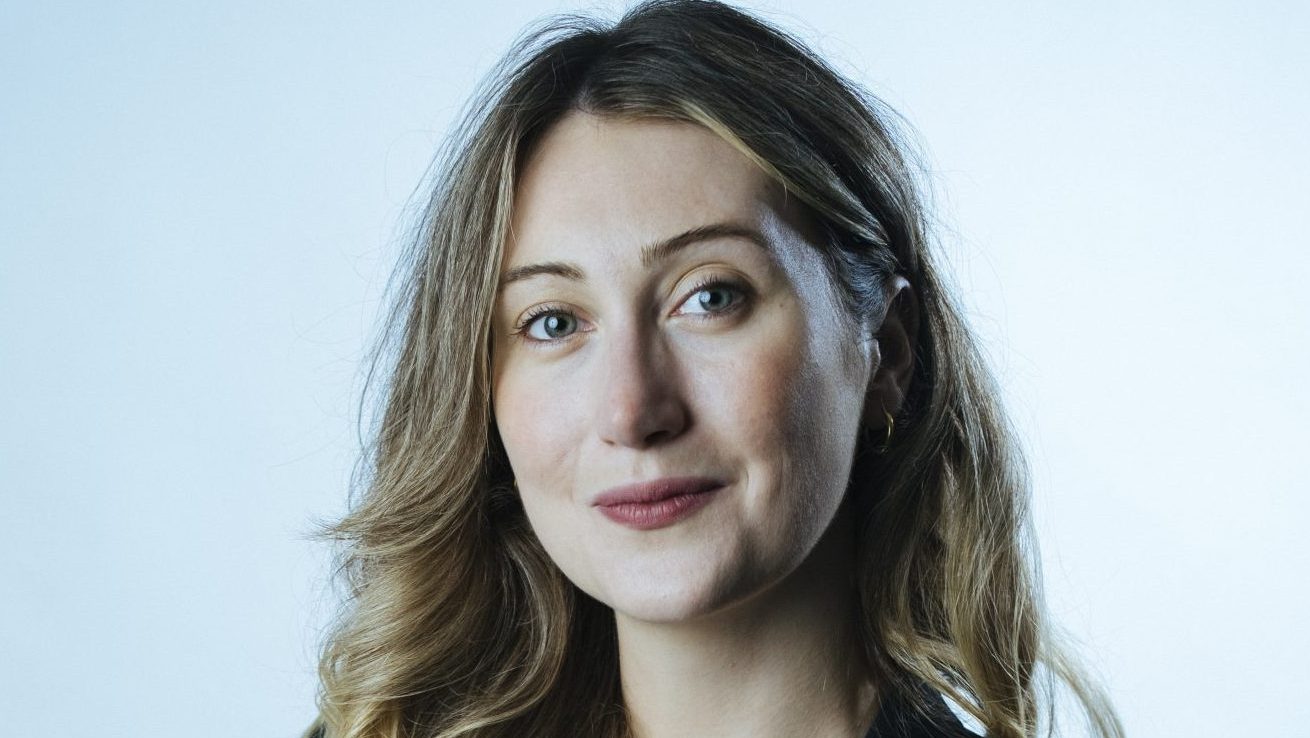
Léa Jeanne Boehringer
See more
A graduate of Sciences Po Lille and ESCP’s MS in Media, Léa Jeanne began her career as a production assistant at Canal+ International, quickly becoming a literary collaborator and then a trailer director. She then joined the Writers’ Bureau, under the direction of Arielle Saracco, and contributed to writing both the channel’s prime-time programming and original content. After a season as a writer on En Famille for M6, and training in screenwriting and animation production (2020 cohort of Animation sans frontière – European Union Creative Media Fund), Léa Jeanne developed her own fiction projects (several short films selected in Annecy, Cabourg, and Angoulême festivals). Her first original series, Anne d’Arc, won the Beaumarchais Grant and the FAIA before entering development with a broadcaster. She co-directed the series and wrote season 2 of Weekend Family for Disney+. In September 2024, she co-founded the production company Perfect Day Productions with Anouk Kemp and Nathalie Madjar. She is currently co-creating a series for a streaming platform.
Photo Credit: Slurp Studio
Margaux Bonhomme
See more
Margaux Bonhomme is a French writer-director who turns intimate pain into tense, character-driven stories. Her work centers on women who challenge the roles imposed on them, confronting both the rules of their world and their own internal limits.
A graduate of La Fémis and the London Film School, she spent ten years as a director of photography before turning to writing and directing. She worked across feature films, commercials and music videos, including collaborations with Wes Anderson — an experience that shaped her precise, tension-driven visual approach.
Her debut feature Marche ou crève, starring Diane Rouxel, Jeanne Cohendy, and Cédric Kahn, announced her as a distinctive voice. The film earned two César nominations for Best Female Newcomer, the Best Actress prize at the Saint-Jean-de-Luz International Film Festival, and Best First Film at the Tallinn Black Nights Film Festival.
She then created and co-wrote the series Nos vies en l’air for France TV Slash, adapted from Manon Fargetton’s novel — selected at the La Rochelle TV Fiction Festival — and directed episodes of the long-running drama Un si grand soleil.
Margaux is currently developing an original series alongside a new feature film. Her projects span psychological thrillers and social dramas and share a consistent authorial signature. Rigorous self-inquiry and a profound openness to others both drive her writing and give her stories their psychological depth and human warmth.
She is also a member of the Writing Development Grant Committee at the CNC, France’s national center for cinema.